

The traditional approach to talent acquisition, long reliant on manual resume screening and subjective interviews, is undergoing a fundamental structural shift. For decades, human resources departments have processed thousands of static documents to identify suitable candidates, a method that is not only time-intensive but inherently susceptible to cognitive bias. This legacy framework frequently results in operational inefficiencies, prolonged hiring cycles, and misaligned talent placement, which directly impacts organizational productivity and overhead costs.
Recent advancements in AI recruitment technology present a data-driven alternative to this systemic challenge. By integrating artificial intelligence with interactive simulation environments, organizations can transition from intuition-based hiring to an objective, skills-based evaluation model. This infrastructure replaces the reliance on fabricated keywords in resumes with precise, standardized testing protocols that measure actual cognitive and technical capabilities. The following report details the mechanisms by which predictive analytics, gamified skill assessments, and automated workflows are establishing a more equitable, transparent, and efficient standard for workforce development.
The limitations of traditional resume screening
Manual evaluation of applicant resumes introduces significant bottlenecks into the hiring pipeline. In a standard recruitment cycle, HR professionals spend a disproportionate amount of time categorizing qualitative data. This manual extraction is susceptible to human error and unconscious bias, where evaluators may inadvertently favor candidates with similar educational or demographic backgrounds, rather than those with the highest objective competency for the role.
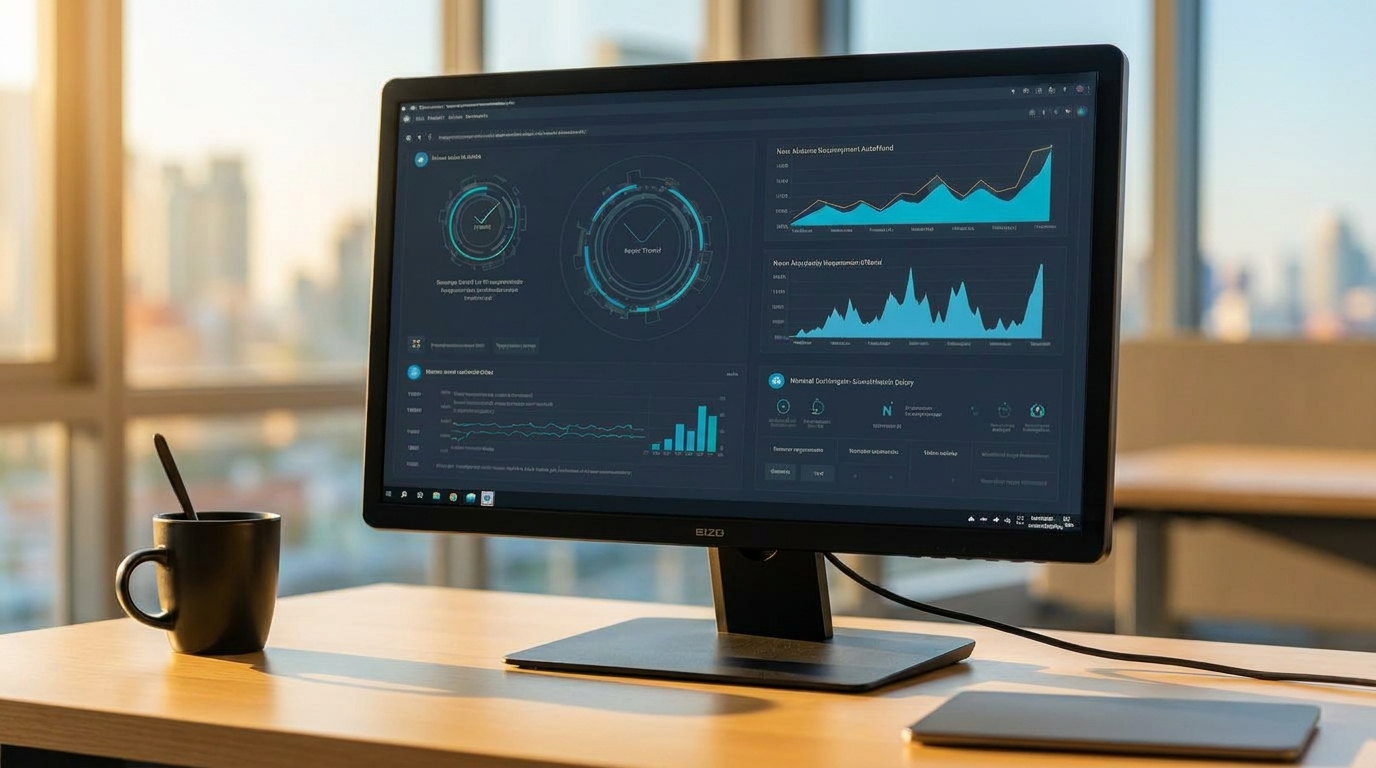
To resolve these inefficiencies, modern systems employ Natural Language Processing (NLP) to automate the extraction and categorization of applicant information. This technology processes high volumes of unstructured data instantaneously, comparing applicant qualifications against strict, functional job specifications. By automating the initial screening phase, NLP drastically reduces processing time and ensures that only candidates meeting the baseline parameters advance.
Once fundamental qualifications are verified, machine learning algorithms evaluate the remaining candidates. These algorithms generate a mathematical profile match, ranking applicants based on their alignment with the role’s required matrix. This automated shortlisting excludes human subjectivity, providing decision-makers with a calibrated, predictive list of high-potential candidates and optimizing resource allocation within the HR department.
Neutralizing bias through digital simulation
To achieve true objective candidate selection, organizations are deploying gamified simulation modules. These digital environments serve as standardized testing grounds where candidates demonstrate their problem-solving capacities in real-time scenarios. The primary function of these modules is to isolate demographic factors, social backgrounds, and personal identities from the evaluation process, focusing entirely on cognitive and behavioral output.
Within the simulation, algorithms process the results of cognitive tests based solely on the actions taken by the user. By neutralizing structural biases, companies can align their hiring practices with strict ethical guidelines while ensuring high technical accuracy. Engineers and system designers meticulously map evaluation parameters for each specific role, whether the position requires absolute technical precision or advanced managerial negotiation skills.
As the candidate interacts with the interface, the system continuously aggregates quantitative data points, recording decision pathways and navigation patterns. This mathematical testing format ensures that all participants encounter identical algorithmic difficulty levels. The resulting capability profile is comprehensive, standardized, and auditable, mitigating the financial risks associated with poor hiring decisions.
Utilizing predictive analytics for candidate evaluation
Behind the gamified interface operates a sophisticated predictive hiring analytics engine. This system continuously monitors applicant micro-actions during the simulation, measuring response times in milliseconds, detecting frequencies of hesitation, and mapping sequential patterns when operational decisions are required under pressure. This granular data collection goes beyond binary correct-or-incorrect scoring to assess the candidate’s cognitive flexibility.
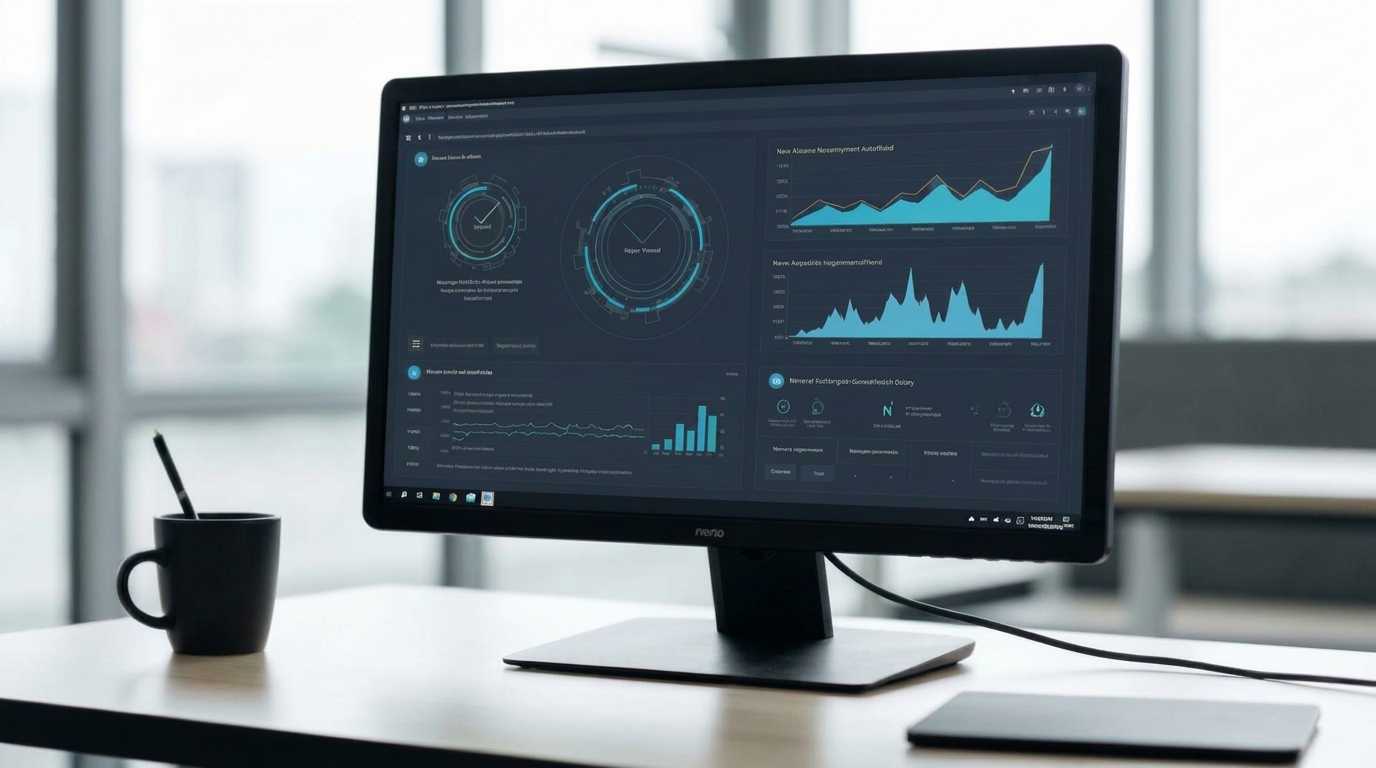
A critical metric analyzed by these systems is logical adaptation. The simulation deliberately introduces unexpected variables or emergency scenarios to test resilience. The raw data stream generated during these stress-inducing moments is synthesized by advanced profiling algorithms into a final diagnostic report. This report calculates the statistical probability of the candidate’s future success in the designated role.
The statistical validity of these gamified talent assessments often surpasses traditional face-to-face interviews, which can introduce artificial stress and skew behavioral observation. By utilizing a game-based format, the system facilitates the observation of authentic reactive behavior, providing operations managers with accurate data to match individual profiles with ideal functional roles.
Automating administrative workflows in human resources
Beyond candidate evaluation, AI recruitment infrastructure significantly reduces the administrative burden placed on HR personnel. Automated workflow configurations autonomously execute logistical instructions. For example, the synchronization of interview schedules is managed across digital calendar platforms instantly, eliminating the friction and human error associated with lengthy email chains.
Additionally, electronic tracking systems streamline the collection of background verification data. Through Application Programming Interface (API) integrations, the platform legally retrieves credential data and compiles it within a centralized, encrypted dashboard. This secure database architecture ensures compliance with strict data protection regulations while safeguarding organizational records.
The automation of these routine administrative tasks allows HR practitioners to redirect their focus toward strategic initiatives. Resources can be reallocated to designing long-term retention tactics, managing employee well-being, and optimizing organizational culture. Automated triggers handle standard corporate correspondence, such as status notifications and offer letters, maintaining consistent professional communication.
Industry-specific testing environments
In highly specialized commercial sectors, operational inefficiency carries significant risk. To address this, smart recruitment ecosystems utilize industry-specific task simulations. These are not generic psychometric tests; they are immersive experiences requiring candidates to demonstrate direct technical expertise relevant to their prospective daily duties.
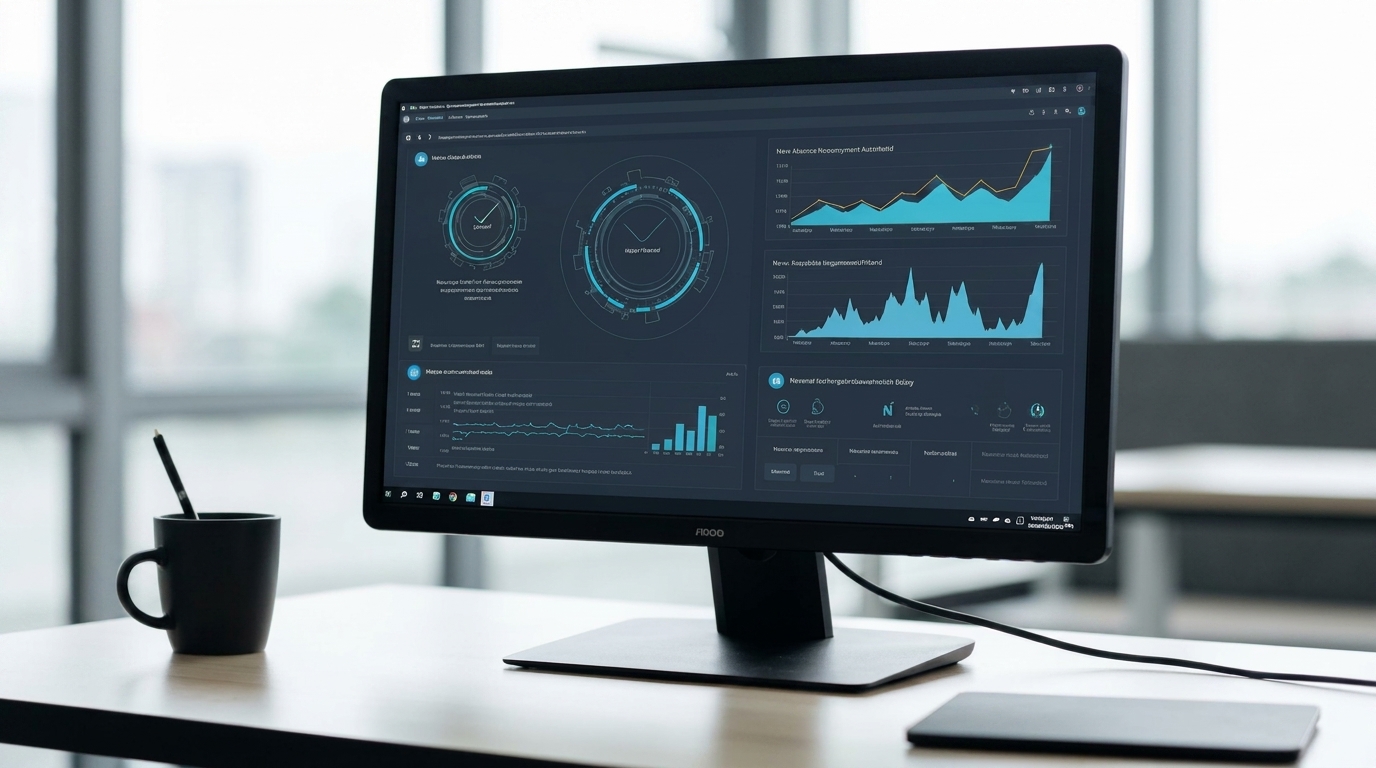
For instance, an engineering candidate may be required to compile functional scripts on a licensed server unit within a strict time limit. As the candidate works, an auditing algorithm evaluates the stability, security, and efficiency of the code in real-time. This testing protocol provides definitive proof of operational readiness before the candidate is formally onboarded.
By validating technical skills prior to hiring, organizations drastically reduce the technical orientation period. Cloud computing facilities support these cross-departmental testing modules, ensuring infrastructural stability. This targeted technical evaluation acts as a safeguard, reducing operational friction between management and new personnel while maintaining service quality standards.
Long-term retention and machine learning evolution
The ultimate strategic value of integrating AI into recruitment lies in its capacity to predict long-term talent retention. The machine learning models powering these platforms are dynamic; development technicians continuously calibrate algorithmic parameters to ensure relevance amidst shifting labor market dynamics.
The core server processes a complex matrix combining historical assessment scores with projected success rates. To maintain accuracy, a circular maintenance practice is employed. Actual performance data from employees during their first year of tenure is fed back into the machine’s memory repository, creating a continuous feedback loop between past predictions and current operational reality.
Through this continuous data integration, the artificial intelligence learns to identify new, hidden correlations indicative of long-term success. This self-updating mechanism protects organizations from the financial losses associated with high employee turnover and replacement costs, solidifying a sustainable foundation for skills-based recruitment.
