
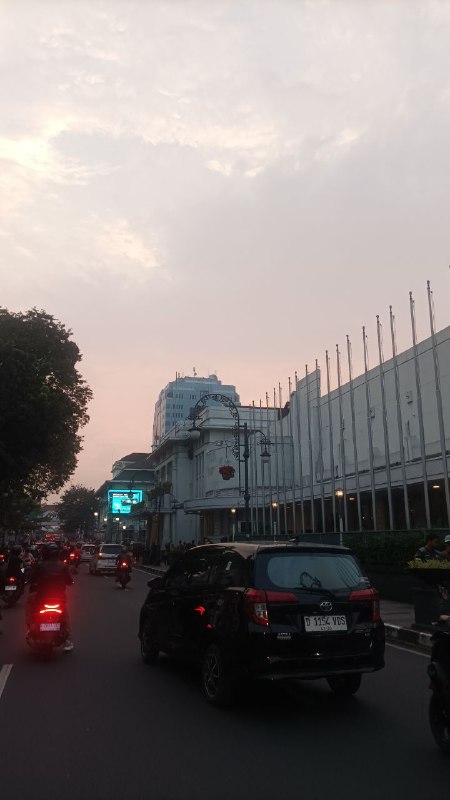
To speak of the archipelago is to describe a living, breathing tapestry woven from thousands of distinct islands. The air hums with the scent of clove and jasmine, carrying ancient, rhythmic echoes of the gamelan across lush, emerald terraces. Observers quickly realize that Indonesian cultural heritage is not relegated to the quiet corners of history. Tradition pulses vibrantly through everyday modern life, refusing to be silenced by the march of globalization. Visitors witness a profound symphony of devotion, vibrant colors, and unparalleled artistry echoing from every province. Understanding this rich landscape requires more than just a passing glance at beautiful temples or intricate fabrics. It demands a willingness to listen to the stories whispered by the wind and the sea. The true essence of the nation reveals itself to those who take the time to truly observe.
Immersing oneself in this environment reveals how deeply rooted customs shape contemporary society. Citizens seamlessly blend ancestral wisdom with modern aspirations, creating a dynamic cultural ecosystem. Artisans masterfully stroke hot wax onto fabric, keeping ancient batik techniques alive while adapting to sustainable global demands. Ceremonial dances continue to bless harvests and mark significant life events, drawing entire communities together in shared reverence. Experiencing these rituals offers a profound glimpse into a society that values continuity over erasure. Every shadow cast by a wayang kulit puppet tells a complex story that transcends generations. These intricate performances serve as both entertainment and moral instruction, guiding audiences through philosophical dilemmas. Light and shadow dance across the screen, mimicking the eternal struggle between good and evil.
Defining Indonesian cultural heritage today
Modern institutions are actively transforming how they preserve and share historical artifacts. Government initiatives elevate museums from mere storage facilities into dynamic, interactive spaces designed for public education and historical dialogue. Visitors engage directly with exhibits, moving beyond passive observation to active participation. Strategic tourism management ecosystems ensure that sacred sites like Borobudur and Prambanan remain protected while still welcoming global admirers. Guidebooks increasingly direct travelers toward lesser-known destinations to prevent overtourism and promote sustainable exploration. Preservation efforts focus heavily on maintaining the delicate balance between accessibility and conservation. Curators work tirelessly to digitize archives, making rare manuscripts and indigenous knowledge accessible to researchers worldwide. By embracing technology, these institutions ensure that history remains relevant to younger generations.
Culinary traditions form another cornerstone of the nation’s identity, offering a sensory journey through diverse landscapes. Complex spice blends reflect centuries of maritime trade and agricultural abundance. Preparing a proper rendang demands hours of patient simmering, transforming tough meat into a tender, flavorful masterpiece. Street food vendors serve up steaming bowls of soto, each region boasting its own unique broth and garnish. Exploring local markets immerses visitors in a chaotic, colorful world of exotic fruits, pungent pastes, and fresh seafood. Eating is rarely a solitary activity; it represents an opportunity to connect, share news, and strengthen social bonds. Food serves as a universal language, transcending linguistic barriers and welcoming strangers into the fold. Generations pass down secret recipes, preserving the culinary history of their ancestors in every bite.
Gotong royong: The core of Indonesian cultural heritage
What makes the society so profoundly captivating is its underlying spirit of gotong royong. This deep-rooted philosophy of mutual assistance radiates from the welcoming smiles of local residents. Neighbors instinctively gather to build homes, harvest crops, and support each other through times of hardship. Shared meals become a testament to this communal warmth, featuring crowded dining tables laden with rich, spice-infused delicacies. You can feel this unspoken bond in every interaction, binding diverse populations into a unified whole. Mutual cooperation acts as the invisible glue holding the nation together. Even in bustling metropolitan centers, the instinct to help a stranger remains remarkably strong. This collective mindset stands in stark contrast to the hyper-individualism often found in Western societies. Children learn the value of cooperation from a very early age, ensuring the survival of these principles.
Modern applications of this philosophy extend far beyond traditional village settings. Rural women utilize these cooperative principles to actively participate in local fund management and environmental stewardship. Grassroots solidarity movements invoke gotong royong to organize enduring neighborhood patrols and digital activism campaigns. Economists even note how this collaborative mindset drives successful international trade partnerships, blending local teamwork with global efficiency. The enduring nature of mutual assistance proves that ancestral values offer viable solutions for contemporary challenges. Communities thrive because they refuse to abandon the collective mindset during times of crisis. Disaster recovery efforts frequently highlight the extraordinary resilience born from this unwavering commitment to shared responsibility. When one person falls, the entire village steps forward to lift them back up.
Artistry and the sustainable future of Indonesian cultural heritage
Artisanal crafts represent another vital pillar of the creative economy. Batik production, in particular, undergoes a fascinating evolution toward eco-sustainability and internationalization. Creators increasingly embrace eco-print methods, responding to global consumer awareness regarding green products. Authentic cultural motifs combined with environmentally friendly dyes act as a primary driver for bringing traditional fabrics to international markets. Workshops bridge cultural divides by teaching international students the intricacies of culture-based entrepreneurship. These initiatives ensure that textile arts remain both economically viable and environmentally responsible. Fashion designers continually find innovative ways to incorporate classic patterns into contemporary silhouettes. The resulting garments celebrate heritage while appealing to a modern, cosmopolitan aesthetic.
Sustainable tourism plays a crucial role in revitalizing local artisan economies along the coastal regions. Travelers seek authentic experiences, visiting workshops to learn the painstaking process of wax-resist dyeing firsthand. Communities benefit directly from this influx of interested learners, fostering a renewed pride in their ancestral skills. While challenges regarding digital marketing and artisan regeneration persist, the overall trajectory points toward a thriving future for handmade textiles. Connecting directly with creators gives buyers a profound appreciation for the labor and love woven into every garment. The craft survives because it adapts without losing its fundamental character. Master weavers pass down their knowledge through meticulous apprenticeships, ensuring that no technique is ever truly lost. Government grants frequently support these training programs, recognizing the immense cultural value of the artisans.
Embracing Indonesian cultural heritage on the global stage
International exposure brings the charm of the archipelago to diverse audiences worldwide. Cultural diplomacy initiatives actively promote hands-on experiences, from wayang coloring sessions to intricate dance performances. Foreign publics deepen their ties with the nation by engaging directly with its artistic traditions. Prestigious awards recognize the country’s ongoing efforts to build a globally competitive and seamlessly integrated cultural tourism ecosystem. Immersive educational programs take international students out of the classroom and into direct contact with daily life. Blending language learning with experiential adventures fosters genuine cross-cultural understanding. Exchange students return home as unofficial ambassadors, carrying an enduring fondness for the warmth of their host families. These personal connections forge stronger geopolitical bonds than any formal treaty ever could. Art transcends political boundaries, opening hearts and minds across the globe.
Contemporary workstyles frequently intersect with these timeless environments, creating fascinating juxtapositions. Digital nomads often seek out spaces that offer both reliable connectivity and profound atmosphere. Finding the perfect balance might mean answering emails from an aesthetic cafe office nestled beside a centuries-old rice paddy. This intersection of glowing screens and ancient agricultural landscapes perfectly encapsulates the modern archipelago experience. Professionals draw inspiration from the vibrant energy surrounding them, proving that tradition and innovation can coexist harmoniously. The landscape itself becomes a muse for global creatives seeking a deeper connection to their surroundings. Remote workers discover that adopting a slower, more intentional pace significantly enhances their overall productivity. Escaping the sterile confines of a traditional corporate environment opens the mind to new possibilities. Human resources professionals are even looking to the archipelago’s community-driven values as inspiration; perhaps integrating empathy can scale your startup instantly with the ultimate automated HR command center by fostering better team cohesion.
The living legacy of Indonesian cultural heritage
Experiencing this profoundly beautiful legacy forever leaves a mark on the human soul. The continuous dance between ancient myth and modern life reminds every observer that they are part of a grand narrative. Global organizations like UNESCO carefully document these intangible cultural practices to ensure their survival for future generations. Protecting these customs requires ongoing dedication from both local stewards and international allies. Anyone who steps onto these islands quickly realizes the enduring power of community, artistry, and devotion. The heartbeat of the nation will continue to echo across the oceans for centuries to come. Embracing the past provides a sturdy foundation upon which to build a more harmonious future. True wealth lies not in material accumulation, but in the preservation of shared humanity.
